
Who We Are (Tribe)
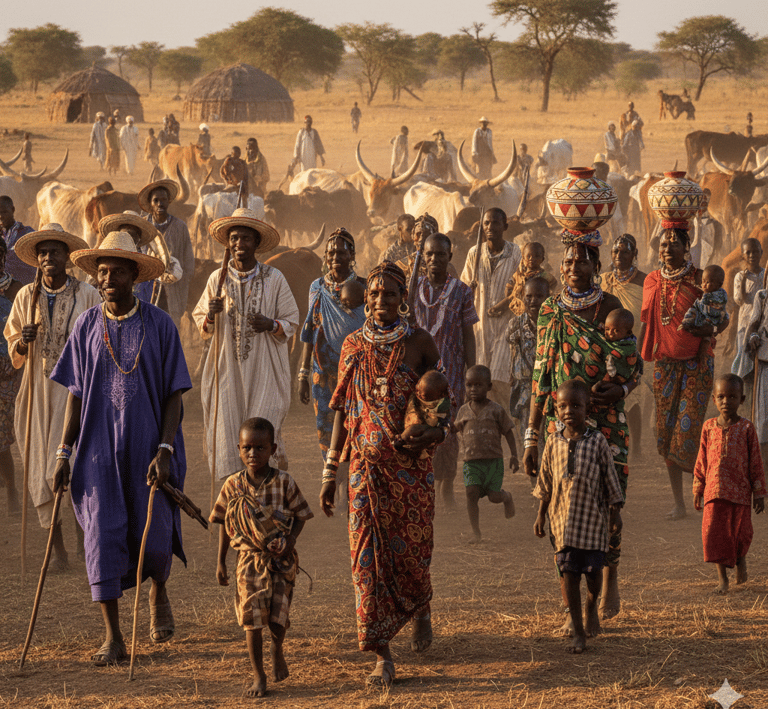
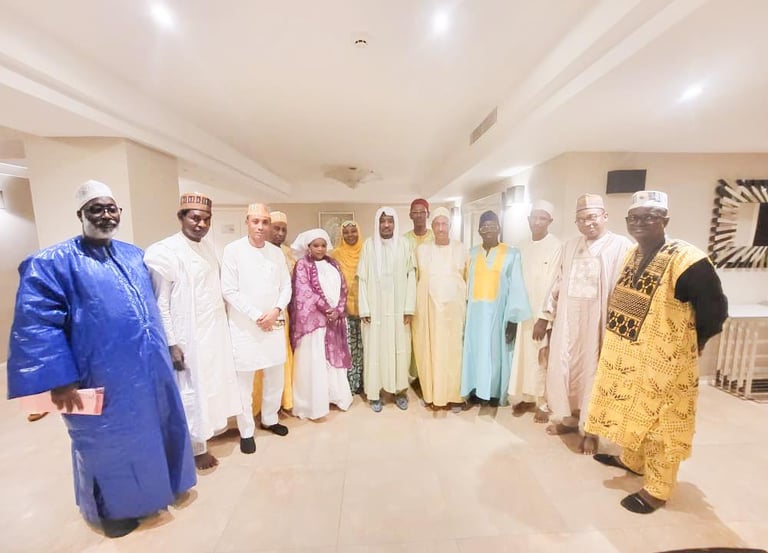
The Fulɓe—known locally as Fulåe (singular: Pullo)—are a widely dispersed West African people with deep historical roots. Research suggests they originated north of the Senegal River in present‑day Mauritania, later spreading across the region. Some groups travelled east, adopted Islam through contact with Arab and Berber communities and eventually returned west.
They settled Fuuta Jallon in two major waves:
13th century: non‑Islamic Fulɓe (Pulli)
16th century: Muslim Fulɓe arriving from Macina (Mali)
By the early 18th century, the Muslim Fulɓe established a federal Islamic theocracy centred in Timbo, with several semi‑autonomous provinces. Internal rivalries—especially between the Alfaya and Soriya ruling houses—shaped much of the region’s political history.
French colonial forces took control in 1896, exploiting these internal divisions and eventually dismantling the authority of the Almaami (Imam‑king). Today, due to decades of migration, Fulɓe communities are found in every major West African city, often active in trade and commerce.
Source: https://ibamba.net/pular/ [Accessed on 17 February 2026)


Our Mission
Through our Management Committee and specialised sub‑committees, we coordinate a wide range of activities designed to support our members and advance our mission.
These include:
Community engagement and outreach
Cultural preservation and events
Youth empowerment programmes
Women’s leadership and development initiatives
Project development and fundraising
Collaboration with charities, voluntary bodies and statutory authorities
We also maintain strong links with Sierra Leone, including the ability to establish offices and liaison roles to support development work on the ground.
Our Values
FPU-UK&I is grounded in a shared commitment to ethical leadership, community cohesion, cultural preservation, inclusive participation and responsible governance.
Integrity
Upholding ethical leadership and transparent governance.
Service
Working for the welfare of our people.
Unity
Strengthening bonds within the Fullah community.
Cultural pride
Inclusivity
Accountability
Preserving and promoting our heritage.
Maintaining high standards in all organisational affairs.
Ensuring equal participation and representation.